


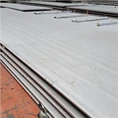

Hot rolling technology is widely used in the production of thick-walled seamless pipes. This method takes advantage of the high temperature, which makes the deformation resistance lower. Straightening and rolling are completed using steel plates with a particular thickness, which needs to be accurately controlled to avoid shape issues. When it comes to quality requirements, different alloy elements have to be taken into consideration, as they can significantly affect the final product. Moreover, temperature control is a crucial factor that plays a critical role in achieving excellent results. These considerations are essential to ensure that different types of thick-walled seamless pipes meet the market's specific quality demands.
To ensure that the thick wall seamless pipe is not damaged during flange welding, it is important to grind the plastic layer of the nozzle with an angle grinder after cutting. This will prevent melting or burning of the plastic layer. Once the grinding is complete, the nozzle outside the pipe should be heated using oxygen and C2H2 until the internal plastic coating melts. After this, the skilled worker can apply plastic powder to the nozzle in an even layer, paying close attention to ensure that it is applied precisely. It is important to attach the flange plate to the water stop line for optimal results.
It is essential to maintain strict control over the heating temperature throughout this process. The coating process may result in the formation of air bubbles. If the temperature is too low, the plastic powder will not fully melt during coating, leading to the subsequent detachment of the plastic layer when the pipeline is in use. As a result, the seamless steel pipe section of the pipeline will be susceptible to corrosion and damage.
Regarding the cutting of thick-walled seamless pipes, it is advisable to use metal saws and toothless saws to achieve the desired pipe length. When employing water welding during the cutting process, it is crucial to protect the raw material. Additionally, both ends of the fractured area should be trimmed during cutting, employing fire-resistant and heat-resistant materials as barriers to catch any sparks or hot iron fragments that may drop and safeguard the raw plastic layer of the material.