





When iron is commercially smelted from its ore, it typically contains higher levels of carbon than desired for steel production. In order to transform it into steel, the iron must undergo a melting and reprocessing process to reduce the carbon content to the appropriate level. During this process, other elements can be added as necessary. The resulting liquid steel is then either continuously cast into long slabs or cast into ingots. Continuous casting accounts for about 96% of steel production, while the remaining 4% is produced as cast steel ingots. This manufacturing method ensures the availability of carbon steel plates, such as hot rolled structural mild steel plates, at competitive prices.
The production of steel involves a series of steps to transform raw materials into the final product. The process typically begins with the extraction of iron ore, which is then refined into iron. The iron is then combined with carbon and other elements to create steel.
Once the steel is formed, it is typically cast into ingots, which are then heated in a soaking pit. The ingots are then hot rolled into slabs, blooms, or billets, depending on their intended use.
Slabs are typically further processed into sheet metal or plates through hot or cold rolling. Billets, on the other hand, can be hot or cold rolled into bars, rods, and wire, while blooms are hot or cold rolled into structural steel, such as I-beams and rails.
In modern foundries, these processes often occur in a single assembly line, with raw materials entering at one end and finished steel products exiting at the other. In some cases, the steel may also be heat-treated for additional strength after it has been rolled, although this is relatively uncommon.

Product Specifications
| Product Name | ST 37 carbon steel plate |
Standard | AISI ASTM BS DIN GB JIS JISG3103/ASTM |
Grade | SS400,A36,ST37,ST52,Q235,SAE1010 |
Brand Name | MING SHANG STEEL |
Place of Origin | WUXI,China |
Thickness | 3-380mm |
Width | 1000mm-2000mm |
Length | Customers' Requirement |
Processing | Hot Rolled |
Tolerance | +-10% for price mild steel plate |
Stock thickness | 1.2mm-120mm |
Application | Ship Plate,ship building and structural |
Price | Most competitive |
Chemical Composition of Steel Plate
| Standard | Grade | C max | Mn max | Si max | P | S | Yield strength MIN | Tensile strength MIN | Elongation% |
ASTM A572M | 50 | 0.23 | 1.60 | 0.50 | 0.04 | 0.05 | 345 | 380 | 21 |
GB/T8162 | Q345B | 0.22 | 1.0-1.60 | 0.40 | 0.04 | 0.03 | 345 | 375 | 21-26 |
ST37 | ST37 | 0.24 | - | 0.40 | 0.045 | 0.03 | 250 | 400-520 | 26 |
Thickness can supply: 1.5mm-20mm | |||||||||
Width: 50mm-1500mm, cut to customized | |||||||||
Cutting large coils into steel strips but directly cutting into large diameter coil strip, also can cut to small coil strip | |||||||||
Applications
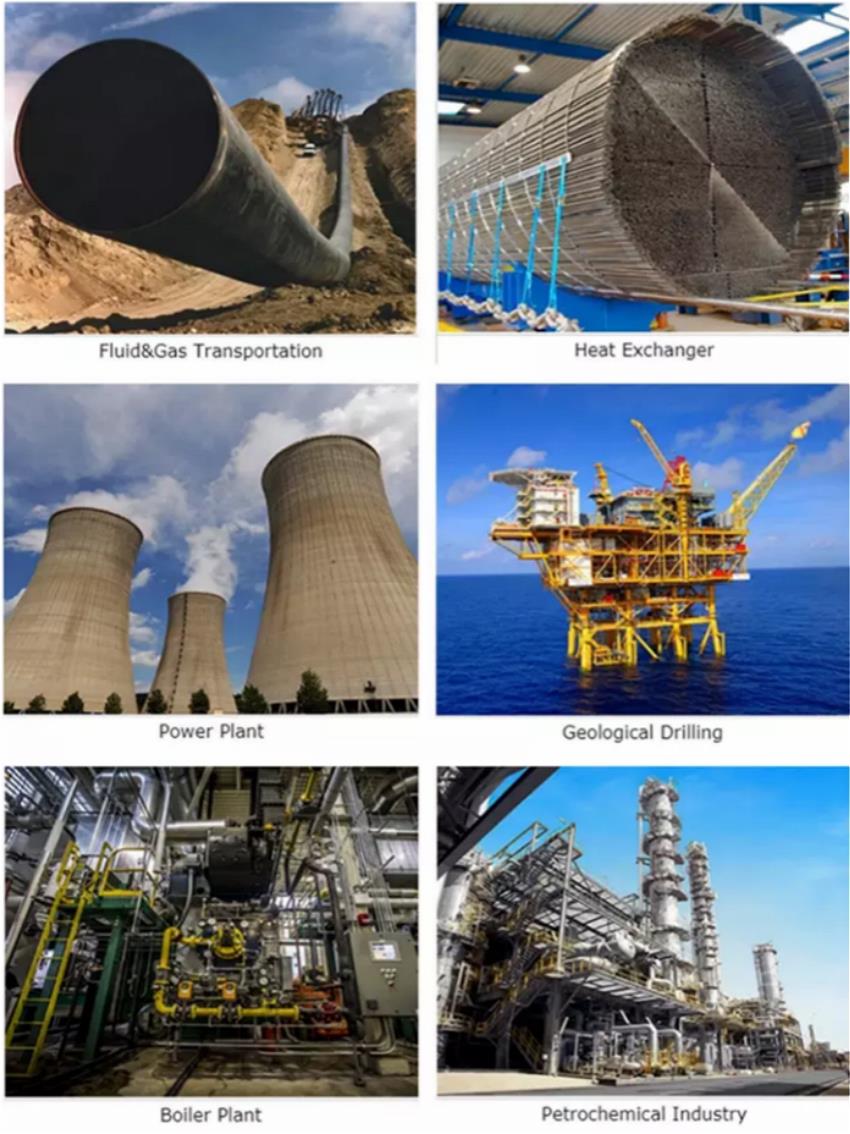
Carbon steel plate used widely in the construction of roads, railways, other infrastructure, appliances, and buildings. Most large modern structures, such as stadiums and skyscrapers, bridges, and airports, are supported by a steel skeleton. Even those with a concrete structure will employ steel for reinforcing. In addition, it sees widespread use in major appliances and cars. Despite growth in usage of aluminium, it is still the main material for car bodies. Steel is used in a variety of other construction materials, such as bolts, nails, and screws.
Packaging and Transportation

Our Service
| Special size | We will customize the special size for you. |
The fastest delivery time | The delivery date of the spot goods is 2-3days |
The best quality | Actual MILL TEST CERTIFICATE |
Credible | We promise to give you the best price and best quality. |
The best service | We promise to reply to you within 12 hours |
Hot Tags: q345 low alloy carbon steel plate, China q345 low alloy carbon steel plate manufacturers, suppliers, factory


